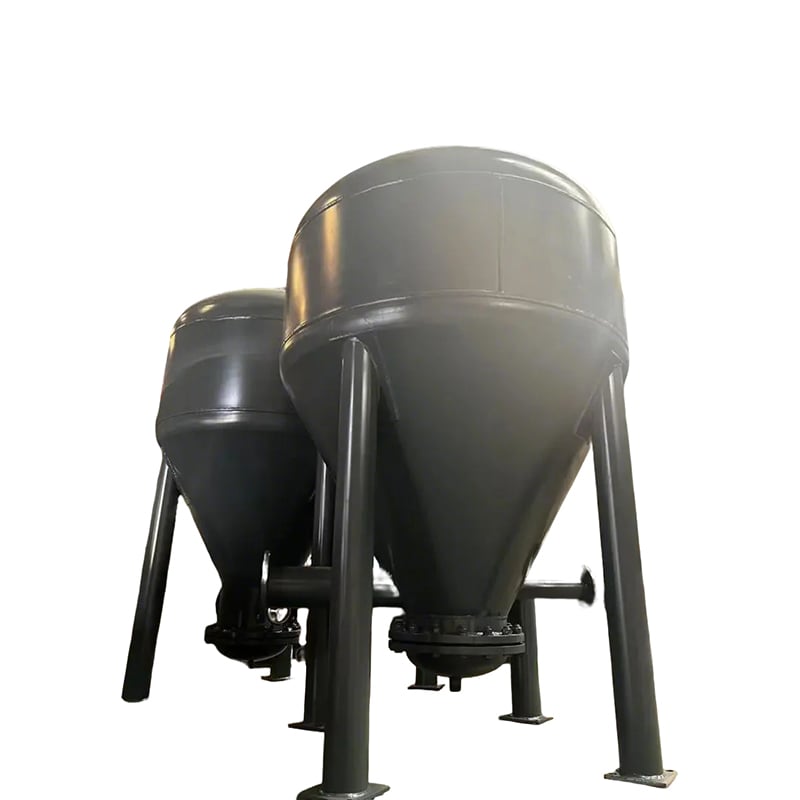
There are some important things to remember when designing a pneumatic conveying system to ensure that it performs properly. First, the material being transported matters. Things like their weight or ease at flowing differ, because different materials react differently. This condition influences the diameter of the pipes and the specification of how many air pressure will provide their motion.
There, you'll need to think about the distance and shape of the system next. If the material has to be move very far or around corners, the design needs to accommodate that so that you don’t get clogging, obstruction, you know, stuff like that. Engineers must also consider how quickly the material needs to travel, and how much has to move at once.
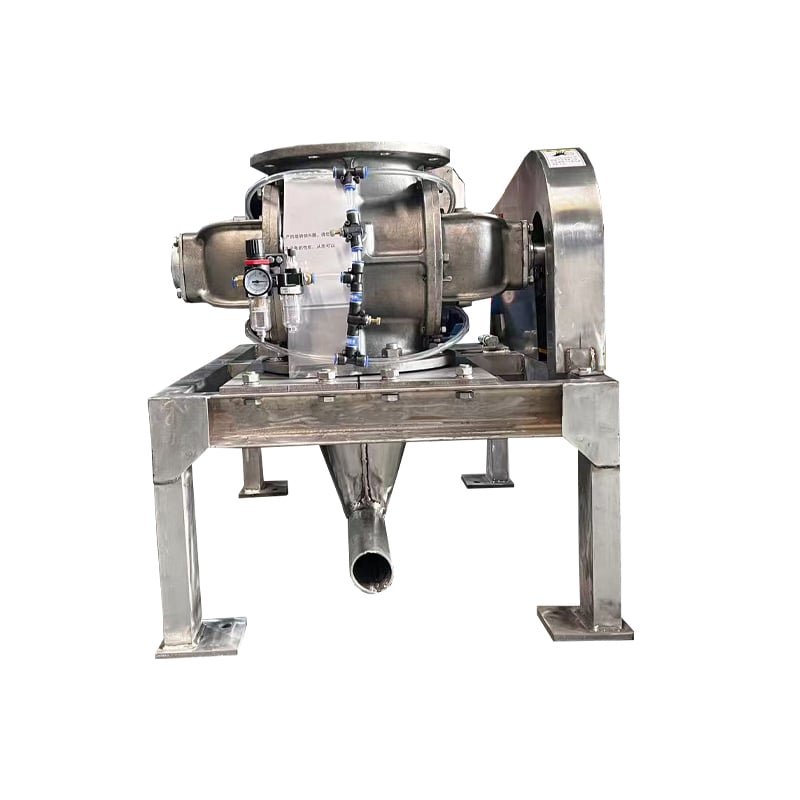
An optimized pneumatic conveying system design consists of several components that ensure its efficient operation. The first part is selecting the correct type of air mover used to build the air pressure to move the material, be it a blower or a compressor. Air movers can vary in many factors such as horsepower which accounts for how far the material, goes, and how fast it will get there.
Air vis-a-vis efficiency and efficacy are paramount design goals when it comes to pneumatic conveying. Efficiency translates to using the least amount of energy and air pressure to move the material, which keeps costs low and is better for the environment. Effectiveness is about ensuring the material moves quickly to where it needs to go and not getting stuck along the way.
The importance of proper pneumatic conveying system and planning cannot be overstated. Designing a system and calculating its ample size is a critical challenge in deep tech, as engineers have to account for major variables that can impact a system's performance, including materials type, air pressure necessary and material travel distance.
There are always new ideas and best practices for pneumatic conveying design based on our understanding of how best to ensure systems work effectively. A more recent concept is employing computer programs to demonstrate how the materials flow through the system before it is built. This becomes an overall score that allows engineers to try out different designs and optimize for performance.
Additional best practices are routine inspection and maintenance of pneumatic conveying systems so that potential problems can be identified and addressed at the earliest possible time before they become major problems. In engineering, we do this by paying attention to new concepts, tracking best practices, and working to continuously improve pneumatic conveying design to serve a variety of industries.
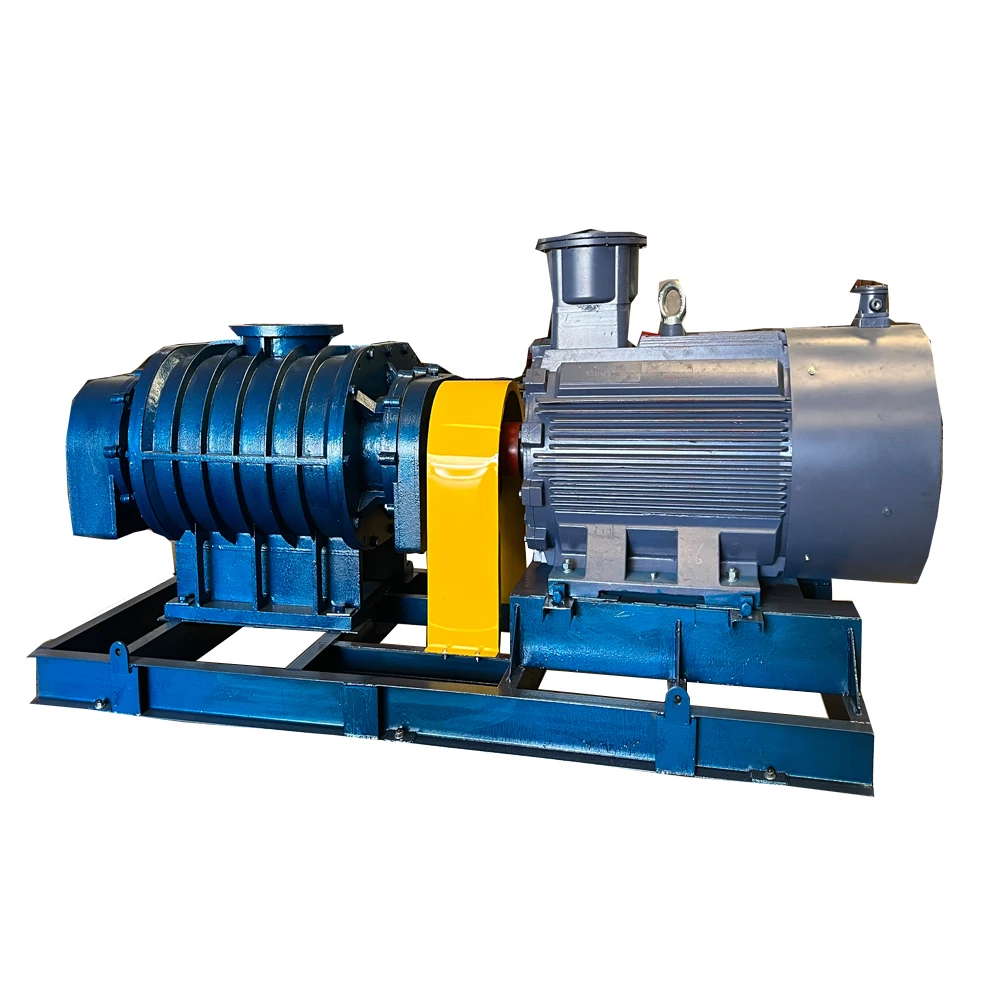
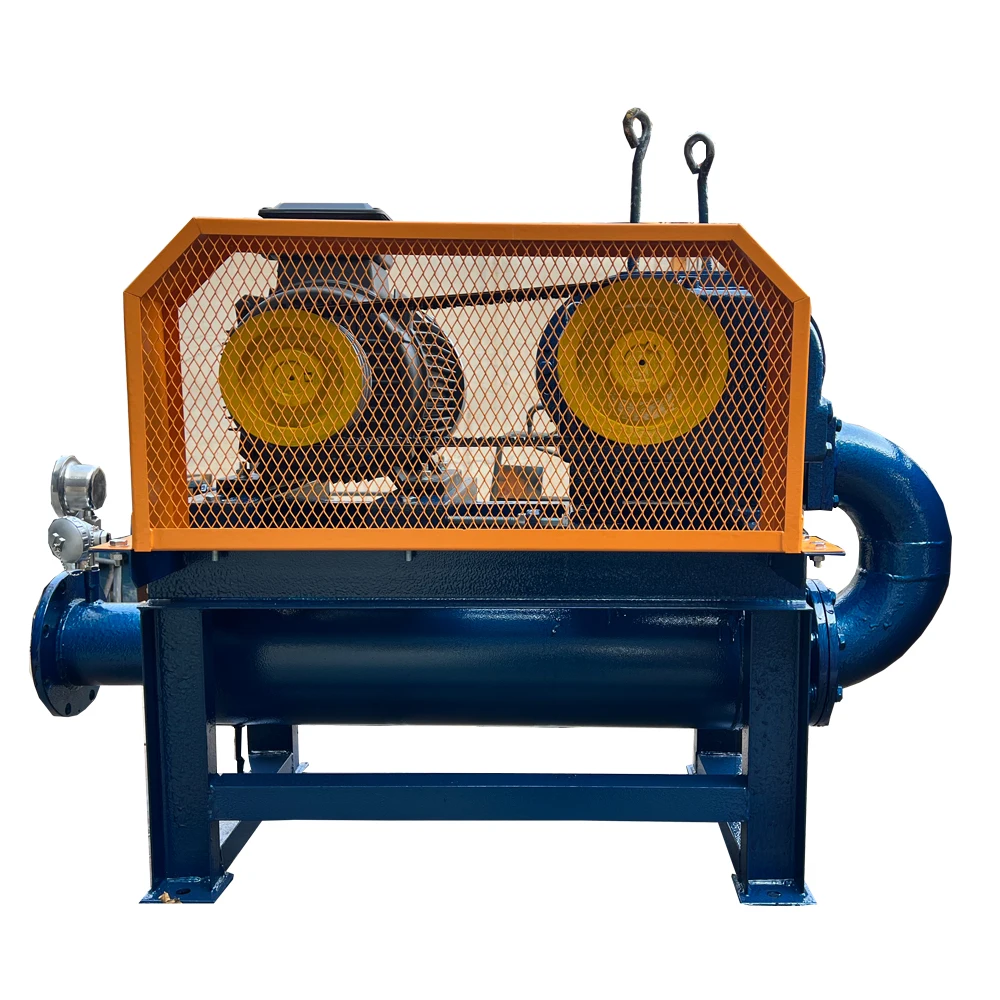
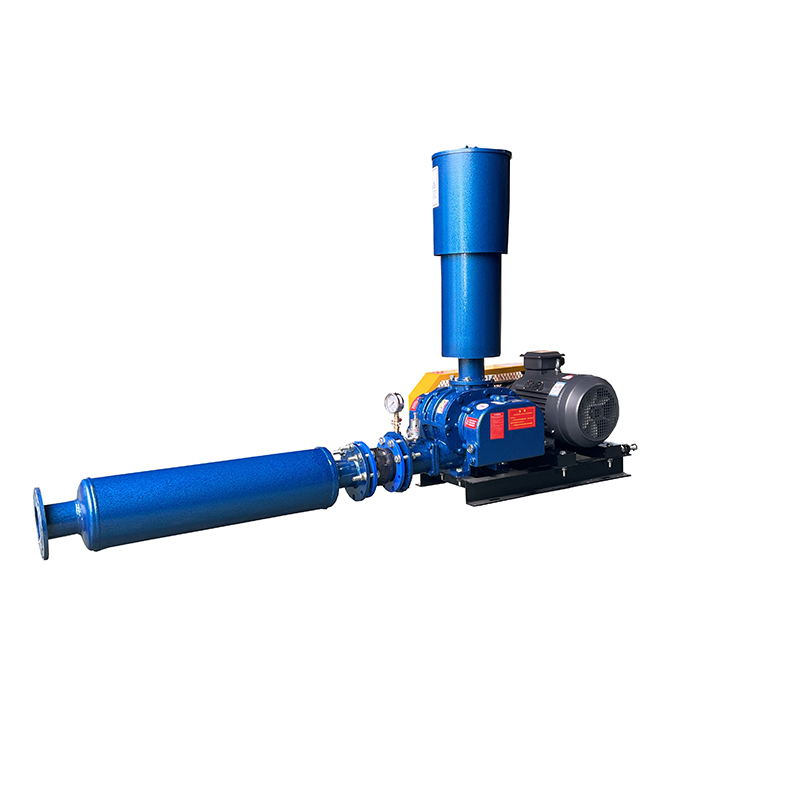
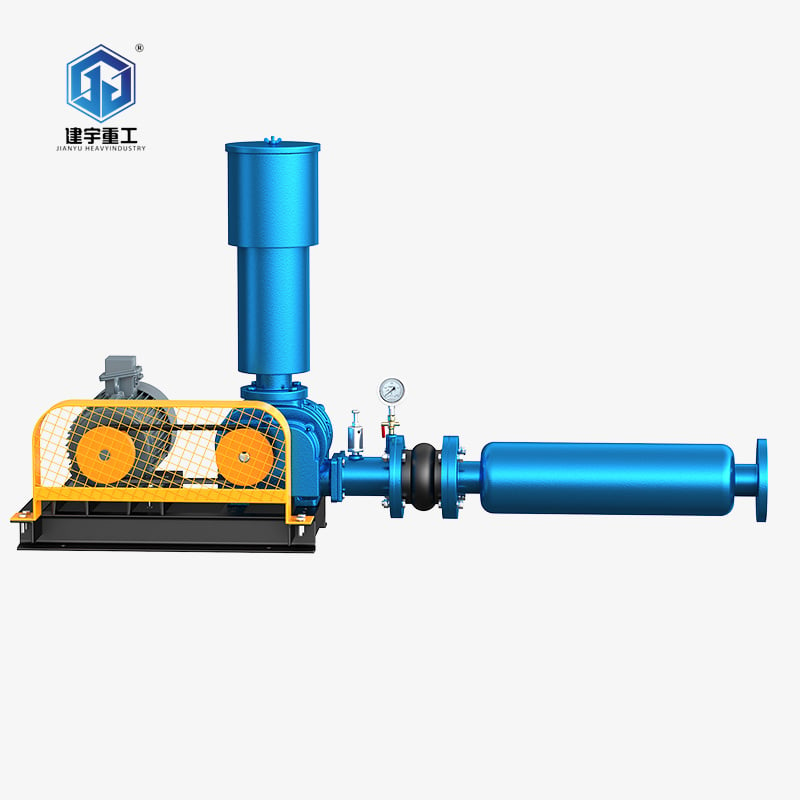
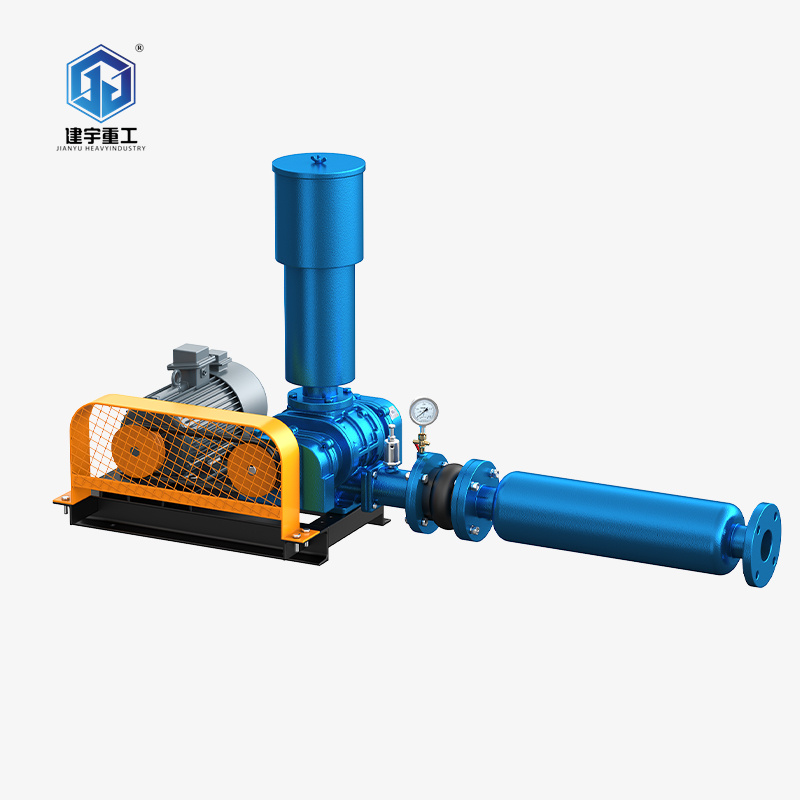
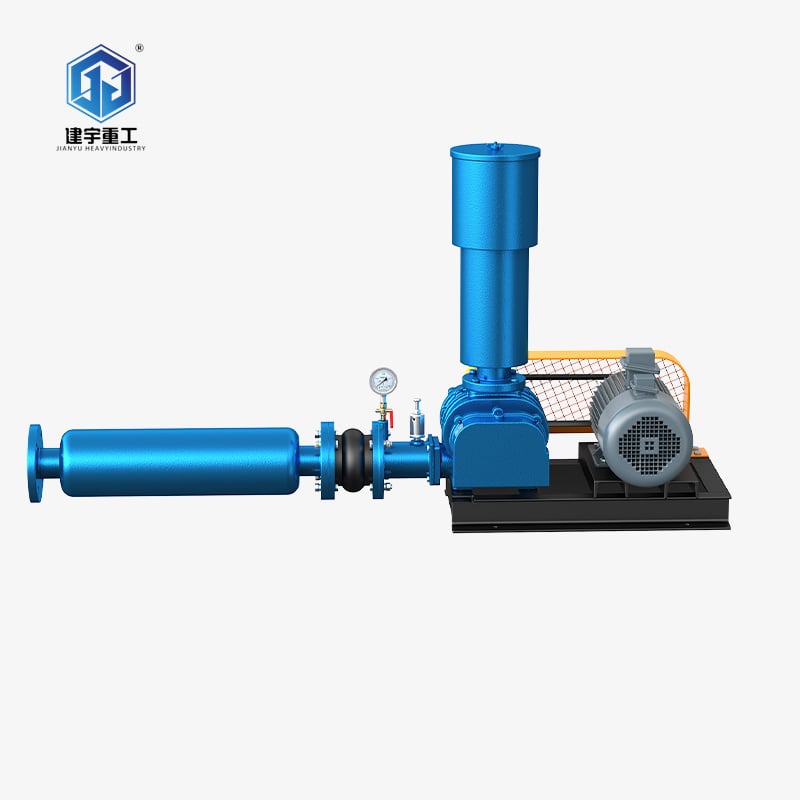
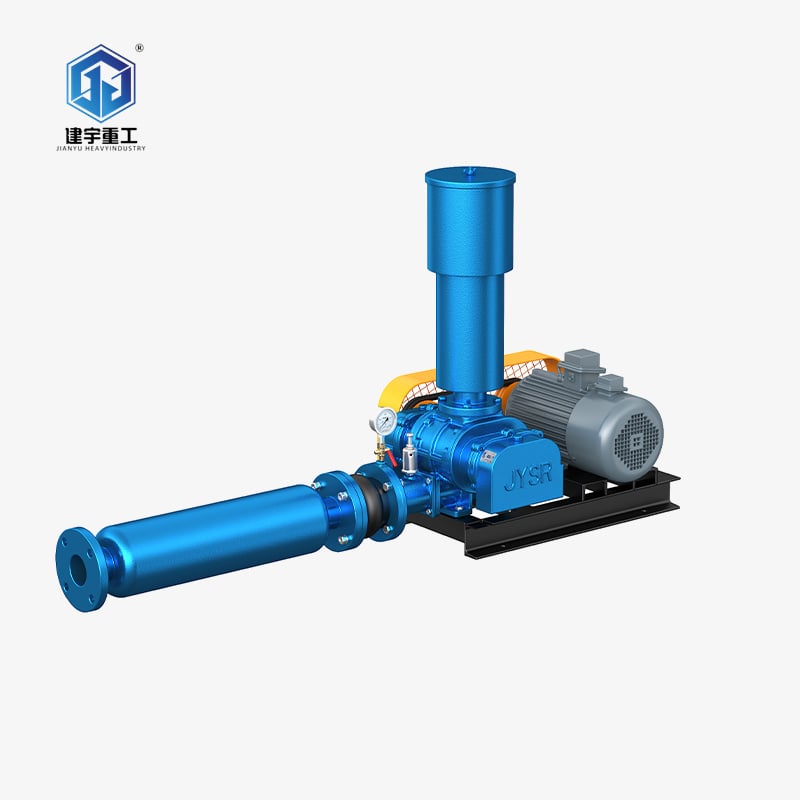
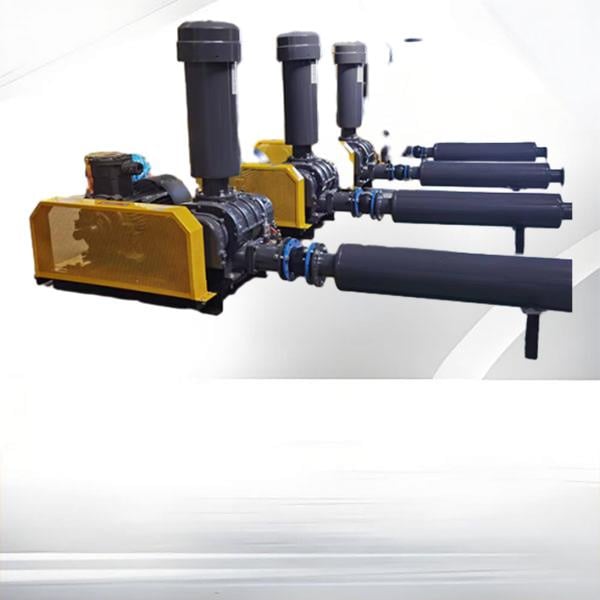
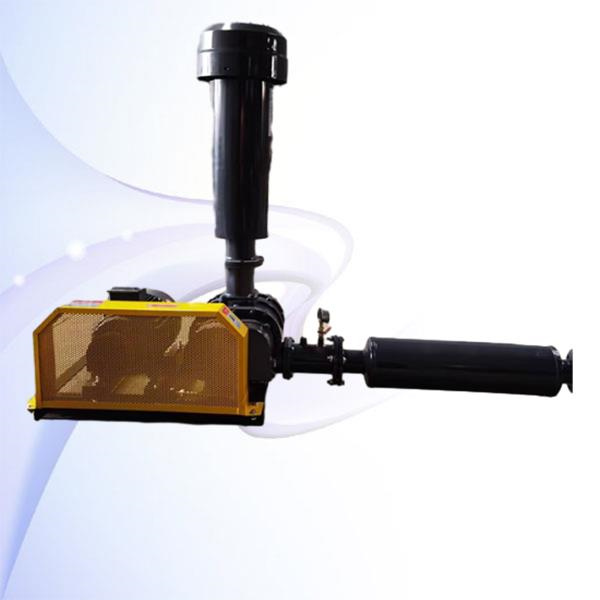
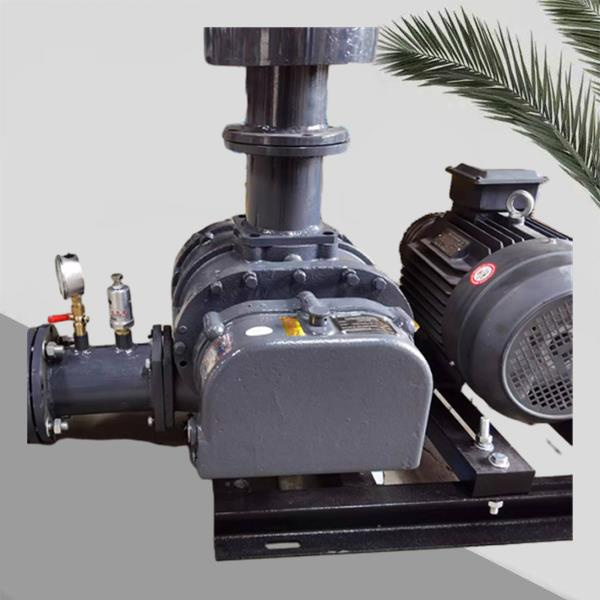
Comparing the two-blade Roots blower, three-blade Roots blower has lower gas pulsation, smaller vibration and lower noise. castings utilize resin sand, the impellers are designed and then simulated by computer software ensure that meshing pneumatic conveying designeffectiveness of the involute are attained. ports that exit and enter are spiral-shaped equipped with an muffler that reduces noise and vibration. fan gear is constructed of 20CrmnTi, which has been carburized ground to a precision of five. tooth's surface is a greater wear resistance and lessens noise from the gear.
Shandong Jianyu Heavy Industry Co., Ltd. Blowers roots, as well as Roots Blowers are utilized in a variety industries, such as melt-blown fabrics, aquaculture sewage treatment pneumatic transport, specific gases and dust extraction, along with petrochemicals and power cement. They the local roots blowers root blowers which solve problem of Strong Solution pneumatic conveying design. company is a multi-functional one that integrates development, research manufacturing. company's most successful product three-blade Roots blower, is optimized and designed by absorbing the domestic and foreign Roots blower design expertise. More than ten different models offered, each with more than 100 distinct specifications. small in size, but large in flow, light in noise, and easy to operate. is quiet with virtually no vibration.
From director all the way the workers, they all service providers, offering clients with most honest and professional service. Products monitored by a strict and standardized process before leave the factory. If there quality pneumatic conveying designthat need be addressed, product will be replaced within year. Within 24 hours, video assistance can be obtained debugging and the team can visit the site of the project and identify any product issues within 48 hours.
(1)More efficientunique design precise pneumatic conveying designof transmission and lubrication systems reduce various losses dramatically improve the efficiency of the machine.(2)Longer life key components are imported. Additionally, the unique design of lubrication system helps fan work effortlessly, safely and effectively with low failure rates a longer service life.Energy conservation environmental protectionThe unique sealing system design allows the output air to be cleaner. The innovative noise reduction design reduces the noise of the device and helps reduce energy consumption.
Copyright © Shandong Jianyu Heavy Industry Co., Ltd. All Rights Reserved | Blog | Privacy Policy
 EN
EN
 AR
AR
 CS
CS
 DA
DA
 NL
NL
 FR
FR
 DE
DE
 EL
EL
 HI
HI
 IT
IT
 JA
JA
 KO
KO
 PL
PL
 RU
RU
 ES
ES
 SV
SV
 TL
TL
 ID
ID
 SR
SR
 SK
SK
 UK
UK
 VI
VI
 SQ
SQ
 HU
HU
 TH
TH
 TR
TR
 AF
AF
 BE
BE
 EU
EU
 BN
BN
 BS
BS
 HMN
HMN
 LO
LO
 LA
LA
 NE
NE
 SO
SO
 MY
MY
 KK
KK
 UZ
UZ
 XH
XH