
 EN
EN
 AR
AR
 CS
CS
 DA
DA
 NL
NL
 FR
FR
 DE
DE
 EL
EL
 HI
HI
 IT
IT
 JA
JA
 KO
KO
 PL
PL
 RU
RU
 ES
ES
 SV
SV
 TL
TL
 ID
ID
 SR
SR
 SK
SK
 UK
UK
 VI
VI
 SQ
SQ
 HU
HU
 TH
TH
 TR
TR
 AF
AF
 BE
BE
 EU
EU
 BN
BN
 BS
BS
 HMN
HMN
 LO
LO
 LA
LA
 NE
NE
 SO
SO
 MY
MY
 KK
KK
 UZ
UZ
 XH
XH
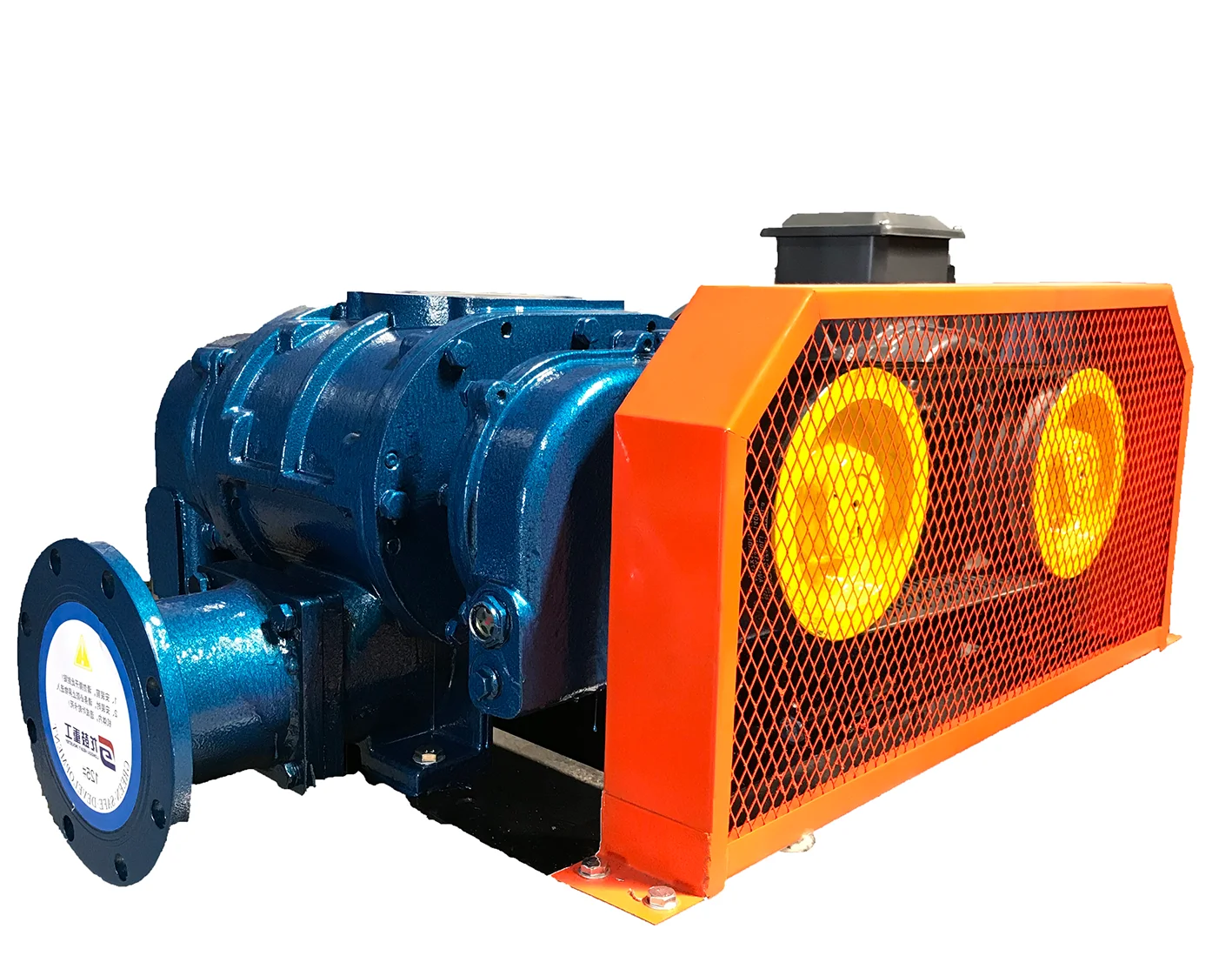
There are two common systems used for the transportation of bulk materials from a to b: pneumatic conveying and mechanical conveying. Each has its strengths and weaknesses, and choosing between the two can be tough. JYSR is aware that knowing how such systems operate can be crucial for companies who must carry materials, such as grains, powders or other bulk cargo. This guide will help you understand the differences, and how to buy the right system for your needs.
What are the main differences between Pneumatic and Mechanical Conveyors?
Pneumatic conveying involves using air or gas to propel materials through pipes. It is just as if you were blowing air through a straw to get a piece of candy. Such a system is often faster and able to convey materials over great distances. It’s also great for materials that would be damaged if they were handled too roughly, since it uses air. For instance, fragile powders can be conveyed without disintegration. But pneumatic systems can be more complex and might require greater upkeep.
In contrast, a mechanical conveying system carries by belts, chains or screws for conveyance of materials. You can think of it as a conveyor belt in the supermarket: It transfers things from one end to the other. Mechanical systems tend to be easier to comprehend and able to cope with a wider range of materials, including heavier items. They can be more dependable for constant use too. But they may be bulkier and can move more slowly than pneumatic systems. There is even a risk of damage to goods, if the items are not treated with care.
Another difference is energy use. Pneumatic systems may, in some cases, need a lot of energy to maintain the movement of air, but they can also be very efficient for other applications. Mechanical systems can also consume significant amounts of energy, depending on the type of motor employed. When it comes to deciding between these systems, what you’re moving, how far and how quickly you need to do the job typically dictate. Experts at JYSR have the experience: They can help you decide which system best meets your condition.
Selecting the Correct Conveyor System and Design for Your Bulk Material Handling Needs
Overall, when you are ready to select a conveying system look at the type of material you will be moving. Or are they heavy, block, like stones? Or are they fine and light, like flour? If your materials are fragile, you might be better off with pneumatic because it minimizes Part A to Part B mixing that can result in breakage. If you’re dealing with larger, heavier materials, a mechanical system might be preferable.
Next, consider the distance. If you need to transport materials over long distances, pneumatic systems can be wonderful since a single run of pipe can be incredibly lengthy. But if you’re moving things a short distance, mechanical solutions might be perfectly acceptable and easier to install.
Also, think about speed. How fast do you want to get the stuff from point A to point B? Pneumatic systems tend to move faster for some applications, but the mechanical can be more reliable in steady processes.
Another important point is space. Pneumatic systems generally occupy less floor area since piping is employed. And mechanical systems, in particular conveyor belts, can require more space.
Finally, don't forget about cost. Both systems can be a pain to set up and maintain. David says JYSR can work with you to add up the costs involved, so that your business can make the best decision. Don’t forget to keep in mind, your requirements will always point the way to the optimal solution for transporting bulk material.
Why are Pneumatic Conveying Systems Good for Some Bulk Materials?
Pneumatic conveying system are unique material handling machines that transport materials by way of gas. They are frequently used for powders, granules and small particles. Among the biggest reasons these types of systems are ideal for some bulk materials is that they can move items around very fast and efficiently. And when you use air to push them, it helps prevent the materials from being damaged. For delicate items, which may be prone to damage if they are jostled. For instance if you’re moving powdered sugar or flour, a pneumatic system can prevent the particles from sticking together in clumps.
Another positive point about pneumatic conveying is that it can go to places that regular confined space workers are less eager to touch. Because the system relies on pipes to transport materials, it can travel around corners and up or down without any problem. So you can cram the machines into smaller spaces and still do your job. This is a big advantage in factories or warehouses where space may be tight.
Pneumatic systems are highly clean too. As they rely on air, they could potentially help keep your space free of dust and mess. This is particularly useful for the food processing or pharmaceutical industry because of the hygiene standard. The air flow helps keep spills down and makes the environment safer for workers.
Lastly, pneumatic conveyors can be mounted quite readily to suit a variety of materials. If you have to change over from one sort of powder to another, that can often be accomplished without much trouble. This versatility makes them an attractive option for businesses that package multiple products. JYSR understands that the proper transportation system can be crucial to how quickly your material moves.
These Are The Energy-Related Advantages Of a Pneumatic Conveying System Versus Its Mechanical Counterparts
When businesses choose how to move the bulk materials they need, money is frequently on their minds. The decision of pneumatic versus mechanical conveying systems may be cost impact in the opposite direction. Initial setup costs for pneumatic systems are typically more expensive. This makes these systems more costly to purchase and install initially. But they tend to save money elsewhere. Because pneumatic systems use air, for instance, they can conserve energy. And they may cut down on waste because they reduce spills and damage to materials. This can result in lower costs in the long term.
Mechanical conveying systems, such as belts or screws, on the other hand, often have lower initial costs. They are often simpler to install and need less specialized equipment. But it may require more maintenance as the years pass. Mechanical systems can also break down more quickly, particularly when they are moving heavy or abrasive materials. That could result in business spending more for repairs and replacements over time.
Another cost to be taken into account is labor. They often need fewer workers to feed material through them, since the materials may be moved automatically. This can lead to a reduction of charges for labor. Mechanical systems are going to require more hands-on labour, which could lead to higher labor costs.
Overall, even if pneumatic systems may come with higher initial costs, they can be a money saver down the line through lower energy consumption and less waste and labor. JYSR believes that every business is unique, and with the correct system in place can bring substantial savings.
Ways To Optimize Productivity With Ideal Bulk Material Conveying Mode
To achieve optimal results, it’s important for companies to select the best conveying method for their bulk materials. The first step is to know what kind of materials you are handling here. Some of the materials are delicate and need special handling, others are heavy and can be hauled more roughly. Being aware of these specifics will guide you toward using a pneumatic conveying equipment system.
Once you have an idea of what kinds of materials you might have to hand, consider the layout of your space. If you have a large space with lots of corners, a pneumatic wood waste collector might be better; it can maneuver tightly just by following behind its hose. Alternatively, if you simply have a straight shot and heavy materials, a mechanical system might be more efficient.
It’s also worth considering how much material must be moved. Air systems can be very effective if you’re moving a lot of material quickly. They can carry materials at breakneck speeds without mashing them. But if you’re in less immediate need, then mechanical may be more than adequate and cheaper.
And ultimately regular just good maintenance is how you keep up the productivity. What you select will work best for your particular individual situation, but maintaining it to the highest degree of efficiency is the best way to prevent stalls and disasters. JYSR notes that maintaining your conveying system will make it run more efficiently and keep productivity up. Knowing about your materials, space and requirements will let you decide on the best bulk material conveying for your system as you keep it running smoothly.
Table of Contents
- What are the main differences between Pneumatic and Mechanical Conveyors?
- Selecting the Correct Conveyor System and Design for Your Bulk Material Handling Needs
- Why are Pneumatic Conveying Systems Good for Some Bulk Materials?
- These Are The Energy-Related Advantages Of a Pneumatic Conveying System Versus Its Mechanical Counterparts
- Ways To Optimize Productivity With Ideal Bulk Material Conveying Mode