
 EN
EN
 AR
AR
 CS
CS
 DA
DA
 NL
NL
 FR
FR
 DE
DE
 EL
EL
 HI
HI
 IT
IT
 JA
JA
 KO
KO
 PL
PL
 RU
RU
 ES
ES
 SV
SV
 TL
TL
 ID
ID
 SR
SR
 SK
SK
 UK
UK
 VI
VI
 SQ
SQ
 HU
HU
 TH
TH
 TR
TR
 AF
AF
 BE
BE
 EU
EU
 BN
BN
 BS
BS
 HMN
HMN
 LO
LO
 LA
LA
 NE
NE
 SO
SO
 MY
MY
 KK
KK
 UZ
UZ
 XH
XH
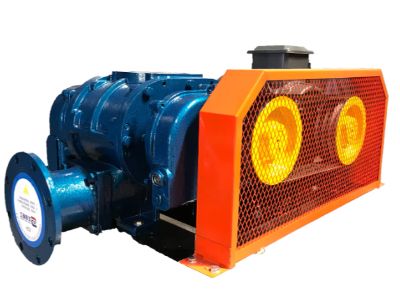
Amikor Roots-fúvókákról van szó, általában két típust emlegetnek: a háromlebegős és a kétlebegős fúvókákat. Mindkettő hasonló célt szolgál, de vannak különbségek közöttük, amelyek miatt az egyik esetleg vonzóbb lehet a másiknál, attól függően, hogy milyen igényeket támaszt egy vállalkozás. A JYSR-nél jól értjük a megfelelő berendezés kiválasztásának fontosságát működési igényeitekhez. Megvizsgáljuk a háromlebegős Roots-fúvókák kulcsfontosságú előnyeit, különösen nagykereskedelmi vásárlók számára, valamint azt, hogyan viszonyulnak ezek a kétlebegős Roots-fúvókák hatékonyság és teljesítmény szempontjából.
Mi a háromlebegő gyökérfúvókák kulcselőnye a nagykereskedelmi vásárlók számára?
A háromlebegő gyökérfúvókáknak számos fontos előnyük van, amelyek miatt kiváló választást jelentenek a nagykereskedelmi vásárlók számára. Az egyik fő előnyük a levegő vagy gáz állandó áramlásának biztosítása. Ez azt jelenti, hogy különböző feladatokhoz megbízhatóan használhatók. Például, ha egy vállalkozásnak anyagokat kell mozgatnia egy gyárban, egy háromlebegő fúvóka ezt zavartalanul és megszakítás nélkül tudja elvégezni. Ismertek arról is, hogy csendesebbek, mint a kétlebegő fúvókák. Ez jelentős előny lehet olyan vállalkozások számára, amelyek zajérzékeny környezetben működnek, ahol a zaj zavarhatja az embereket vagy csökkentheti a termelékenységet. Egy további előnyük az energiahatékonyságuk. A háromlebegő fúvókák gyakran kevesebb energiát használnak fel, mint a kétlebegő típusok. Ez hosszú távon alacsonyabb energia-számlákat eredményezhet, ami kiváló megoldás a költségmegtakarítást célozó vállalatok számára. Ezen felül, három-loberes Roots-fúvó hajlamosak hosszabb élettartammal rendelkezni a tervezésük miatt. Jobban bírják a kopást és a mechanikai igénybevételt, így hosszabb ideig szolgálhatják vállalkozását javítás vagy cseré nélkül. A nagykereskedelmi vásárlók gyakran a tartósságra és megbízhatóságra törekednek, és a háromlapátos fúvókák mindkét szempontot kielégítik. Ezen felül különféle alkalmazásokhoz is alkalmazhatók, például szennyvízkezeléstől kezdve a pneumatikus szállításig. Ez a sokoldalúság vonzó a vásárlók számára, akik esetleg különböző feladatokhoz is szükségük van egy fúvókára működésük során.
Hogyan hasonlítanak össze a kétlapátos Roots-fúvókák hatékonyság és teljesítmény szempontjából?
A kétlebenyű gyökérfúvókák egy másik lehetőség, és saját előnyeikkel rendelkeznek. Általában egyszerűbb a tervezésük, ami könnyebb karbantartást tesz lehetővé. Ez az egyszerűség gyakran alacsonyabb kezdőköltségekhez vezet, így vonzóvá teszi őket kisebb vállalkozások vagy kezdő vállalkozások számára. Hatékonyság szempontjából a kétlebenyű fúvókák is jól teljesíthetnek, különösen kevésbé igényes alkalmazásokban. Gyakran használják őket olyan iparágakban, ahol az igényelt levegőnyomás nem olyan magas. Azonban nehézségekbe ütközhetnek olyan helyzetekben, amelyek folyamatos és nagy térfogatú levegőáramlást igényelnek. Ez fontos szempont, mert ha egy vállalkozásnak gyorsan sok levegőre van szüksége, akkor egy kétlebenyű fúvóka esetleg nem tudja olyan hatékonyan követni a kéréseket, mint egy háromlebenyű fúvóka. Egy másik szempont az energiafogyasztás. Bár a kétlebenyű fúvókák hatékonyak lehetnek, intenzívebb működési körülmények között esetleg nem érik el a háromlebenyű fúvókák által nyújtott energia-megtakarítást. A vásárlóknak alaposan át kell gondolniuk, mire van szükségük. Egyes esetekben a kétlebenyű fúvóka alacsonyabb ára vonzó lehet, de hosszú távon esetleg nem nyújtja ugyanazt a teljesítményt. Így azoknak a vállalkozásoknak, amelyek a magas hatékonyságot és megbízhatóságot részesítik előnyben, a háromlebenyű változat lehet a jobb választás. A JYSR-nél megértjük, hogy minden vállalkozás egyedi igényekkel rendelkezik, és a megfelelő típusú fúvóka kiválasztása jelentős különbséget tehet a működésben.
Hogyan válasszunk háromlebenyű és kétlebenyű Rootsz-fúvókák között
Amikor választani kell egy gyökérfúvó munkája vagy projektje során talán azon gondolkodik, hogy válasszon-e háromlemezes vagy kétlemezes fúvókát. Mindkét típusnak megvannak a saját különleges jellemzői, és fontos átgondolni, mire van leginkább szüksége. Először is vegye figyelembe, mennyi levegőt kell mozgatnia. Ha nagy mennyiségű levegőt kell gyorsan mozgatnia, akkor a JYSR háromlemezes fúvókája kiváló választás. Több levegőt tud továbbítani, mint egy kétlemezes fúvóka, így tökéletes nagyobb feladatokhoz. Ha azonban kisebb méretű a feladata, és nem kell olyan sok levegőt mozgatnia, akkor egy kétlemezes fúvóka éppen megfelelő lehet. Egy másik szempont a rendelkezésre álló hely. A háromlemezes fúvókák némi esetben nagyobbak lehetnek, és több helyet igényelhetnek, míg a kétlemezes fúvókák gyakran kisebbek, és könnyebben elhelyezhetők szűk helyeken. Figyelembe kell vennie azt is, milyen zajszintet bír el. A háromlemezes fúvókák kissé hangosabbak lehetnek, így ha a zaj számít, akkor a kétlemezes fúvóka jobb választás lehet. Végül gondoljon a költségvetésére is. A háromlemezes fúvókák néha drágábbak, ezért győződjön meg róla, hogy olyat választ, amely illeszkedik a költségvetéséhez. Végül is a döntésnél vegye figyelembe a szükséges levegőmennyiséget, a rendelkezésre álló helyet, a megengedhető zajszintet és a költségvetését, hogy kiválassza a számára legmegfelelőbb fúvókát.
Gyakori problémák kétlemezű Roots-fúvókákkal
A kétlemezes Roots-fúvókák használata egyes problémákat is magában hordozhat, amelyekről a felhasználóknak tudniuk kell. Az egyik gyakori probléma, hogy ezek néha kevésbé hatékonyak, mint a háromlemezes fúvókák. Ez azt jelenti, hogy ugyanannyi levegőt nem mozgatnak, illetve ugyanazt a feladatot elvégezve több energiát használnak fel. Ennek következtében hosszú távon magasabbak lehetnek az áramszámlák. Egy másik probléma, hogy a kétlemezes fúvókák erősebb rezgéseket okozhatnak. Ezek a rezgések kopást és meghibásodást idézhetnek elő a gépen, valamint zajos működést eredményezhetnek. A felhasználóknak ezzel a zajjal kell szembenézniük, és megoldásokat kell találniuk annak csökkentésére, ami kellemetlen lehet. Emellett, ha egy kétlemezes fúvókát nem karbantartanak megfelelően, túlmelegedési problémái is adódhatnak. Ez rövidítheti a fúvóka élettartamát, és akkor is meghibásodhat, amikor leginkább szükség van rá. A rendszeres karbantartás kulcsfontosságú, de időigényes is lehet. Végül, a kétlemezes fúvókák néha nehézséget okoznak a nyomásszabályozásban. Ha egy meghatározott nyomásra van szükség, a kétlemezes fúvóka nem mindig biztosítja azt egyenletesen. Ez problémát jelenthet azok számára, akik megbízható teljesítményt igényelnek. Ha JYSR márkájú kétlemezes fúvókát választanak, fontos figyelembe venniük ezeket a kérdéseket, és felkészülniük a kezelésükre.
Háromlemezes és kétlemezes Roots-fúvókák: Teljesítményösszehasonlítás
Amikor háromlemezes és kétlemezes gyökerfúvó szivattyú , megállapíthatja, hogy a teljesítménymutatóik jelentősen eltérnek egymástól. A háromlebegős fúvókák általában magasabb térfogatáramot biztosítanak. Ez azt jelenti, hogy rövidebb idő alatt több levegőt tudnak mozgatni, mint a kétlebegős fúvókák. Ez fontos akkor, ha gyorsan nagy mennyiségű levegőre van szüksége, például nagy ipari üzemekben vagy nehéz munkafolyamatokhoz. Másrészről a kétlebegős fúvókák általában egyszerűbbek, és kisebb feladatokhoz könnyebben kezelhetők lehetnek. Hatékonyak lehetnek, de nem feltétlenül érik el a JYSR háromlebegős fúvókái által nyújtott sebességet és levegőmozgatási térfogatot. Egy másik különbség az energiafogyasztásban rejlik. A háromlebegős fúvókák néha több energiát használnak fel méretük és teljesítményük miatt, míg a kétlebegős fúvókák kisebb feladatokhoz energiatakarékosabbak lehetnek. Ha azonban nagy levegőmennyiséget kell mozgatnia, a háromlebegős fúvóka összességében időt és energiát takaríthat meg. Emellett észrevehető különbségek vannak a nyomásstabilitásban is. A háromlebegős fúvókák konzisztensebb nyomást biztosítanak, ami egyes alkalmazásoknál döntő fontosságú lehet. Ha a munkája stabil nyomást igényel, a háromlebegős fúvóka lehet a jobb választás. Összefoglalva, a teljesítmény értékelésekor vegye figyelembe a térfogatáramot, az energiafelhasználást és a nyomásstabilitást, hogy eldöntse, melyik fúvókatípus felel meg legjobban az Ön igényeinek.
Tartalomjegyzék
- Mi a háromlebegő gyökérfúvókák kulcselőnye a nagykereskedelmi vásárlók számára?
- Hogyan hasonlítanak össze a kétlapátos Roots-fúvókák hatékonyság és teljesítmény szempontjából?
- Hogyan válasszunk háromlebenyű és kétlebenyű Rootsz-fúvókák között
- Gyakori problémák kétlemezű Roots-fúvókákkal
- Háromlemezes és kétlemezes Roots-fúvókák: Teljesítményösszehasonlítás