
 EN
EN
 AR
AR
 CS
CS
 DA
DA
 NL
NL
 FR
FR
 DE
DE
 EL
EL
 HI
HI
 IT
IT
 JA
JA
 KO
KO
 PL
PL
 RU
RU
 ES
ES
 SV
SV
 TL
TL
 ID
ID
 SR
SR
 SK
SK
 UK
UK
 VI
VI
 SQ
SQ
 HU
HU
 TH
TH
 TR
TR
 AF
AF
 BE
BE
 EU
EU
 BN
BN
 BS
BS
 HMN
HMN
 LO
LO
 LA
LA
 NE
NE
 SO
SO
 MY
MY
 KK
KK
 UZ
UZ
 XH
XH
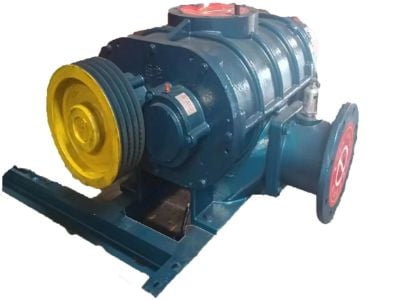
When it comes to moving air or gas for different industries, two types of blowers often come up: Roots blowers and screw blowers. These machines are popular in places like wastewater treatment plants and factories where materials need to be moved from one place to another. Knowing the differences between them can help people decide which one is better for their specific needs. JYSR is here to help you understand these machines better and choose the right one for your projects.
Understanding Roots Blowers and Screw Blowers for Optimal Wastewater Treatment Solutions
Roots blowers are known for their simplicity and reliability. They have two rotors that spin in opposite directions to push air through the system. This design allows for a steady flow of air, making them great for moving large volumes of air in wastewater treatment. Imagine you are blowing up a balloon. The more you blow, the bigger it gets. Roots blower work in a similar way. They can deliver a consistent amount of air no matter what. This is really important in wastewater treatment, where oxygen needs to be added to help break down waste. With Roots blowers, you can be sure that enough air will be delivered at all times.
On the other hand, screw blowers work a bit differently. They have two screws that turn and compress air. This design gives them the ability to handle higher pressures than Roots blowers. Think of it like squeezing a tube of toothpaste. The harder you squeeze, the more toothpaste comes out. Screw blowers can create a strong push of air, which is useful when it’s needed to move materials over long distances or when there is a lot of pressure involved. For wastewater treatment, screw blowers can also provide oxygen but are better suited for systems that require higher pressure levels.
Choosing between these two types of blowers for wastewater treatment depends on the specific needs of the facility. Roots blowers are generally less expensive to maintain and operate, which is great for places with budget constraints. However, if a facility needs to move air under higher pressure, then screw blowers might be the better choice. JYSR provides both types of blowers, ensuring you can find the right fit for your needs.
What Are the Key Differences Between Roots Blowers and Screw Blowers for Pneumatic Conveying?
When it comes to pneumatic conveying, the differences between Roots blowers and screw blowers become even clearer. Pneumatic conveying is the process of moving materials through pipes using air. This is important in many industries, like food processing or manufacturing. Roots blowers are often used for lighter materials. They work best with things that don't need a lot of pressure to move. Imagine pushing a feather along a table; it doesn’t take much effort. This is similar to how roots blower compressor move lighter materials through the pipes.
In contrast, screw blowers excel at moving heavier materials and those that require more power to push through pipes. They are like a strong person lifting a heavy box. The higher pressure they can generate makes them suitable for materials that are hard to move. For example, in a factory, if you need to move fine powders or granules, screw blowers can do this effectively without clogging the system.
Another key difference is energy efficiency. Roots blowers can sometimes use more energy because they run continuously to maintain airflow. Screw blowers, on the other hand, can be more efficient, especially when managing different material types or varying pressures. This means that over time, using a screw blower might save money on energy costs.
In summary, when it comes to pneumatic conveying, if your goal is to move lighter materials at a steady pace, Roots blowers are a great choice. But if you need to handle heavier materials or require more pressure, screw blowers are the way to go. JYSR offers both options, making it easier for you to find the right blower for your specific needs.
Roots Blowers vs. Screw Blowers: Key Differences Explained
When we talk about Roots blowers and screw blowers, we are discussing two different types of machines that help move air and gases. Both of these blowers are used in places like wastewater treatment plants and for transporting materials in a process called pneumatic conveying. Let’s first look at how these two types of blowers work and what makes them different. Roots blowers are like two rotating gears that work together to push air. They have two rotors, and when they turn, they trap air in pockets and push it out. This makes them great for moving large amounts of air quickly. They are simple machines, which means they are easy to maintain. On the other hand, screw blowers use two screws that spin in a close space to compress the air. This means they are better for creating higher pressure. Screw blowers are often quieter and more efficient than Roots blowers. However, they can be more complex, which might make them harder to fix. In summary, if you need to move a lot of air without needing high pressure, Roots blowers are a good choice. But if you need to create high pressure or want a quieter operation, screw blowers are likely better.
How to Choose High-Quality Roots and Screw Blowers
If you are looking to buy high-quality Roots and screw blowers, you should consider several important factors. First, think about where you will be using the blowers. Whether it’s for wastewater treatment or pneumatic conveying, you want to choose blowers that fit your needs. JYSR offers a wide range of blowers that are specially designed for different applications. It is important to check the specifications and features of each blower. For example, you should look at the airflow rate, pressure levels, and the energy they consume. This will help you find the right blower that works best for your project. Also, consider buying from a trusted supplier. JYSR has a good reputation for providing high-quality products and excellent customer service. This means if you have any questions or problems, they are there to help. Buying in bulk can also save you money. If you are a wholesale buyer, talk to JYSR about special rates for larger orders. They may offer you discounts or better deals. Make sure to ask about warranties and support services too. This way, you can be confident that you are making a wise investment.
Troubleshooting Tips for Roots and Screw Blowers
Sometimes, you might run into problems with your blowers, and knowing how to troubleshoot them can save you a lot of time and money. First, always read the user manual that comes with your blower. This will help you understand how to use it properly. If your Roots or screw blower is not working well, check if it is getting enough power. Sometimes, a blown fuse or a loose wire can cause problems. If the blower is making strange noises, it might mean that something is wrong inside. For roots blower pump, check the rotors to see if they are clean and not damaged. For screw blowers, listen for any unusual sounds that might indicate a problem with the screws. Regular maintenance is crucial to keep your blowers running smoothly. Clean and lubricate the parts as recommended by the manufacturer. If you still have issues, don’t hesitate to contact JYSR for help. They can provide support or even send a technician to assist with repairs. By following these troubleshooting tips, you can ensure that your blowers continue to work effectively for your wastewater treatment or pneumatic conveying needs.
Table of Contents
- Understanding Roots Blowers and Screw Blowers for Optimal Wastewater Treatment Solutions
- What Are the Key Differences Between Roots Blowers and Screw Blowers for Pneumatic Conveying?
- Roots Blowers vs. Screw Blowers: Key Differences Explained
- How to Choose High-Quality Roots and Screw Blowers
- Troubleshooting Tips for Roots and Screw Blowers