
 EN
EN
 AR
AR
 CS
CS
 DA
DA
 NL
NL
 FR
FR
 DE
DE
 EL
EL
 HI
HI
 IT
IT
 JA
JA
 KO
KO
 PL
PL
 RU
RU
 ES
ES
 SV
SV
 TL
TL
 ID
ID
 SR
SR
 SK
SK
 UK
UK
 VI
VI
 SQ
SQ
 HU
HU
 TH
TH
 TR
TR
 AF
AF
 BE
BE
 EU
EU
 BN
BN
 BS
BS
 HMN
HMN
 LO
LO
 LA
LA
 NE
NE
 SO
SO
 MY
MY
 KK
KK
 UZ
UZ
 XH
XH
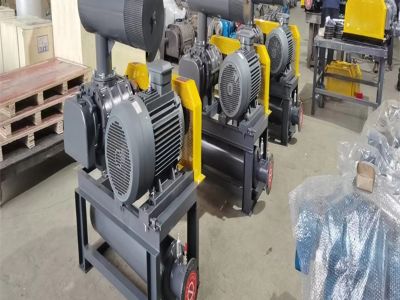
When dealing with wastewater treatment, choosing the right blower can make a big difference. The two main types of blowers are screw blowers and Roots blowers. Each has its own way of working and uses energy differently. JYSR is dedicated to helping you understand these differences so you can make the best choice for your needs. Screw blowers use a rotating screw mechanism to move air, while roots blower use two rotors that spin in opposite directions. This affects how much energy they consume during operation. Understanding these machines can help you choose the right one for your wastewater aeration needs.
How to Choose Between Screw Blowers and Roots Blowers for Wastewater Aeration?
When deciding between screw blowers and Roots blowers, think about what your specific needs are. First, look at how much air you need to move. Screw blowers are often more efficient for high air demands. They work well when you need a lot of air continuously. On the other hand, small roots blower can be better for smaller systems. They provide strong pressure, which is great for certain applications. Next, consider the energy costs. Screw blowers usually use less energy, which might save you money in the long run. If you have a tight budget, this is an important factor to think about. The space you have available is also key. Screw blowers are compact, so they fit into smaller areas. Roots blowers take up more space, which could be a problem if your facility is limited. Noise level is another thing to think about. Screw blowers are quieter, making them better for places where noise is a concern. Lastly, service and maintenance are important. Check which blower is easier to maintain. JYSR can assist you with information and support, so you can choose the best option for your situation.
What Factors Affect the Energy Efficiency of Screw Blowers and Roots Blowers?
Several factors can change how much energy screw blowers and Roots blowers use. The first factor is how they are designed. Screw blowers are built to be really efficient, which means they can move air with less energy. They often have variable speed drives, allowing them to adjust how fast they work based on the air needed. This can save a lot of energy. In contrast, roots blower parts usually run at a constant speed, which can lead to higher energy use, especially if less air is needed. Another factor is how well the system is maintained. Regular maintenance keeps both types of blowers running smoothly. If they are not maintained, they can use more energy than necessary. The environment where the blower operates also matters. If it’s too hot or cold, the blower might work harder, using more energy. Lastly, the design of the entire aeration system impacts energy efficiency. If the pipes are too long or too narrow, it can make the blowers work harder, leading to more energy use. Understanding these factors can help you make better decisions for your wastewater aeration needs. JYSR is here to help you navigate these choices and find solutions that save energy and costs.
When looking for high-quality screw blowers for wastewater aeration, it is important to find a reliable source that offers good products. One great option is to check out JYSR. They specialize in making screw blowers that are efficient and save energy. You can buy their products directly from their website or at various distributors that carry their brand. When you choose JYSR, you can be sure that you are getting a product that is built to last. This means it will work well for a long time, which is good for you and the environment. Screw blowers are designed to use less energy than other types of blowers. This is important because less energy usage means lower electricity bills and a smaller carbon footprint. If you want to see how well a screw blower works, you can read reviews from other customers. Many people who use JYSR screw blowers say they are very happy with their performance and the amount of energy they save. JYSR also offers great customer service. If you have questions or need help with your blower, their team is ready to assist you. This can make a big difference, especially when you are learning about new technology. Overall, when searching for screw blowers for wastewater aeration, consider JYSR for quality and performance. They offer products that can help you save energy while keeping your wastewater systems running smoothly.
Screw blowers have some big advantages over roots blowers, especially when it comes to energy savings.
One of the main benefits is that screw blowers are usually more efficient. This means they can do the same job using less energy. When you think about it, this is really important for wastewater treatment plants that run all day and night. Over time, using less energy can save a lot of money. JYSR screw blowers are designed to maximize this efficiency. They have special features that help them run smoothly and quietly, which is also great for workers nearby. Another advantage of screw blowers is that they require less maintenance. This means you won’t have to spend as much money on repairs or spare parts. JYSR blowers are built with strong materials that last longer, so you can rely on them for many years. Additionally, screw blowers can work well in different conditions. They can handle changes in demand without losing performance, which is important for wastewater systems. In contrast, roots blowers can struggle when the flow needs to change quickly. This can lead to energy waste, which is not good for budgets or the environment. Finally, screw blowers are often smaller and lighter than roots blowers. This makes them easier to install and fit into many different spaces. JYSR blowers are designed with this in mind, allowing for flexible installation options. choosing screw blowers from JYSR can give you many benefits that save energy, money, and time compared to roots blowers.
Conclusion
To maximize energy savings with screw blowers in wastewater applications, it’s important to use them the right way. First, make sure to size the blower correctly for your needs. JYSR offers a range of models, so you can find one that fits perfectly for your specific application. If a blower is too big, it might waste energy. If it’s too small, it might not do the job well. Working with professionals at JYSR can help you find the best size for your system. Once you have the right blower, you should keep it well-maintained. Regular maintenance checks can keep your blower running smoothly and efficiently. This means cleaning filters, checking for leaks, and ensuring all parts are in good shape. JYSR provides guidelines and support for maintenance, making it easier for you to take care of your blower. Another way to save energy is by using control systems that monitor and adjust the blower’s operation. This means the blower can change how much air it produces based on what is needed at the moment. JYSR blowers can be integrated with these smart systems to further enhance efficiency. Lastly, training your staff on how to operate the blowers can make a big difference. When everyone knows how to use the equipment correctly, it leads to better performance and energy savings. JYSR offers training resources to help your team understand the best practices for using screw blowers. By following these tips, you can maximize the energy savings of JYSR screw blowers in wastewater treatment, making your operations more cost-effective and environmentally friendly.