
 EN
EN
 AR
AR
 CS
CS
 DA
DA
 NL
NL
 FR
FR
 DE
DE
 EL
EL
 HI
HI
 IT
IT
 JA
JA
 KO
KO
 PL
PL
 RU
RU
 ES
ES
 SV
SV
 TL
TL
 ID
ID
 SR
SR
 SK
SK
 UK
UK
 VI
VI
 SQ
SQ
 HU
HU
 TH
TH
 TR
TR
 AF
AF
 BE
BE
 EU
EU
 BN
BN
 BS
BS
 HMN
HMN
 LO
LO
 LA
LA
 NE
NE
 SO
SO
 MY
MY
 KK
KK
 UZ
UZ
 XH
XH
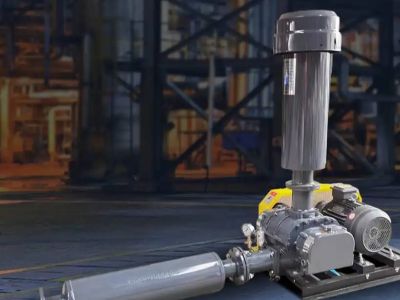
Air supply systems are essential across many industries, from manufacturing and wastewater treatment to construction and material handling. Two of the most common options are Roots blowers and air compressors. While both are designed to move air or gas, they operate differently and are suited for different applications. As equipment ages, efficiency often declines, resulting in higher operating costs, increased maintenance, and reduced productivity. Understanding the differences between these systems can help businesses determine when it's time to upgrade. JYSR provides reliable air supply solutions that help companies select the right equipment for improved efficiency, lower operating costs, and long-term performance
What Are the Key Differences Between Roots Blowers and Air Compressors
Although roots blower and air compressors both move air, they serve different purposes. Roots blowers use two synchronized rotors that rotate in opposite directions to deliver a continuous flow of air at relatively low pressure, making them ideal for applications such as wastewater treatment, pneumatic conveying, aquaculture, and industrial aeration. Air compressors, on the other hand, compress air into a smaller volume to generate much higher pressure, making them suitable for powering pneumatic tools, spray painting systems, and manufacturing equipment that requires intermittent bursts of compressed air. Roots blowers generally feature a simpler design with fewer moving components, resulting in lower maintenance requirements, quieter operation, and greater reliability during continuous use. Air compressors typically require more maintenance due to their more complex internal mechanisms, but provide the higher pressure needed for demanding industrial applications
How to Choose Between Roots Blowers and Air Compressors for Your Needs
Selecting the right roots blower compressor system depends largely on your operational requirements. Businesses that require a continuous, consistent airflow throughout the day often benefit more from a Roots blower, as it is designed for long operating hours with excellent efficiency and reliability. In contrast, facilities that rely on high-pressure air for tools, machinery, or manufacturing processes should consider an air compressor. Factors such as required airflow, operating pressure, available installation space, energy consumption, and maintenance costs should all be evaluated before making a decision. Working with an experienced supplier like JYSR allows businesses to assess these factors carefully and choose equipment that delivers the best balance of performance, efficiency, and long-term value
Where to Find High-Quality Roots Blowers for Wholesale Supply
Businesses looking to purchase root-type blowers in bulk should focus on suppliers that offer proven product quality, reliable customer support, and competitive wholesale pricing. Purchasing directly from established manufacturers such as JYSR provides access to durable equipment designed for industrial applications while often reducing costs through bulk purchasing programs. Before selecting a supplier, buyers should review customer feedback, compare product specifications, evaluate warranty coverage, and inquire about after-sales technical support. Industry trade shows and equipment exhibitions also provide excellent opportunities to compare products, discuss technical requirements with manufacturers, and secure promotional pricing. Choosing a trusted supplier ensures consistent product quality and dependable performance throughout the equipment's service life
How Modern Air Supply Solutions Maximize System Efficiency
Modern air supply technology offers several ways to improve operational efficiency while reducing energy consumption and maintenance costs. Variable speed drives automatically adjust blower or compressor speed according to demand, eliminating unnecessary energy use during periods of lower airflow requirements. Advanced monitoring systems continuously track equipment performance, allowing operators to identify potential issues before they develop into costly failures. Routine maintenance, including cleaning filters, inspecting moving components, and scheduling regular servicing, further improves efficiency and extends equipment lifespan. Proper operator training also helps reduce unnecessary wear caused by incorrect operation. JYSR integrates modern technologies into its air supply solutions, helping businesses optimize productivity while lowering long-term operating expenses
Signs It's Time to Replace Your Air Compressor
Recognizing when an air compressor needs replacement can prevent unexpected downtime and rising operating costs. Common warning signs include unusual noises, oil or air leaks, difficulty starting, frequent shutdowns, slower tank filling times, and increasing energy consumption. Older compressors often become less efficient as internal components wear, resulting in higher electricity costs and reduced productivity. Frequent repairs may also indicate that replacement is more cost-effective than continued maintenance. Upgrading to a modern air compressor from JYSR provides businesses with improved energy efficiency, enhanced reliability, advanced technology, and lower maintenance requirements. Investing in new equipment at the right time helps maintain smooth operations while reducing long-term operating expenses.
Table of Contents
- What Are the Key Differences Between Roots Blowers and Air Compressors
- How to Choose Between Roots Blowers and Air Compressors for Your Needs
- Where to Find High-Quality Roots Blowers for Wholesale Supply
- How Modern Air Supply Solutions Maximize System Efficiency
- Signs It's Time to Replace Your Air Compressor