
 EN
EN
 AR
AR
 CS
CS
 DA
DA
 NL
NL
 FR
FR
 DE
DE
 EL
EL
 HI
HI
 IT
IT
 JA
JA
 KO
KO
 PL
PL
 RU
RU
 ES
ES
 SV
SV
 TL
TL
 ID
ID
 SR
SR
 SK
SK
 UK
UK
 VI
VI
 SQ
SQ
 HU
HU
 TH
TH
 TR
TR
 AF
AF
 BE
BE
 EU
EU
 BN
BN
 BS
BS
 HMN
HMN
 LO
LO
 LA
LA
 NE
NE
 SO
SO
 MY
MY
 KK
KK
 UZ
UZ
 XH
XH
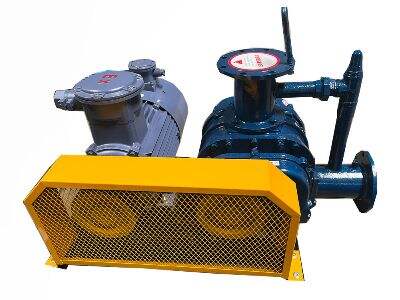
Low energy Roots blowers are unique equipment applied in treatment plants. These fans assist in pushing airs into the water, which is essential for cleaning.
How to Select Suitable Energy-Efficient Roots Fans
It can be challenging to select the best Roots fan for your wastewater treatment facility. There are a couple of key things you need to consider. Initially, you'll want to check out the scale of your treatment plant. Larger fans are required for larger plants to circulate more air. But it’s not just about selecting the biggest one. You also have to consider how much air your plant requires.
Typical Use Problems of Intensive Roots Blowers
Roots fans can be very useful, but they can have problems too. One common issue is clogging. If there are particles or debris in the air, they may become lodged in the fan. This forces the system to work harder which can squander energy and lead to malfunctions. The fans should be kept clean to functions properly.
Consider When Buying Bulk Energy-Efficient Roots Fans
If you are searching for Roots fans that consume less energy, particularly if you have large machines such as the centrifugal and aeration blowers of wastewater treatment plants, then it’s essentials to be aware which features are best. The first them is to look the efficiency rate of the fans. This roots blower is how much energy it uses to do a certain amount of work.
How energy-efficient Roots fans save costs
Energy-efficient roots type blower can actually save wastewater treatment plants a lot of money. For one thing, these fans consume less electricity. When they run more efficiently and consume less power, that translates to lower electricity bills. And that’s the key because energy is a big cost for any plant.
Roots Fans for Wastewater Treatment
There are some hot trends, though, and one of them is smart tech. A lot of the newer fans come equipped with sensors and software that can tell you how they are operating. That roots style blower means they can automatically tune their energy usage and work harder when necessary. These intelligent fans can even sends warnings if something is wrong, so workers can address problems before they exacerbate.
Conclusion
Lastly, fan systems that can communicates and work in concert are garnering attention. In lieu of a single fan, multiple fans that can communicates with one another are what many plants are considering. These systems can be used to even further optimize energy consumption and achieve improved air flows for treatment processes.